Everest Base Camp Trek: Journey to the Foot of the World’s Highest Peak
The Everest Base Camp Trek is one of the most iconic journeys in the Himalayas, taking you deep into the heart of the Khumbu region. This experience blends dramatic mountain landscapes with the rich culture of the Sherpa community, offering a balanced mix of adventure, tradition, and natural beauty. The trail winds through alpine forests, glacial rivers, and high-altitude terrain, gradually revealing some of the most recognized peaks in the world.
This trek is not just about reaching a destination. It is about the journey itself - walking through centuries-old villages, visiting monasteries, and observing a way of life that has remained closely tied to the mountains. As the altitude increases, the landscape becomes more open and rugged, with wide views of snow-covered peaks and vast Himalayan valleys.
The Journey Through the Khumbu Region
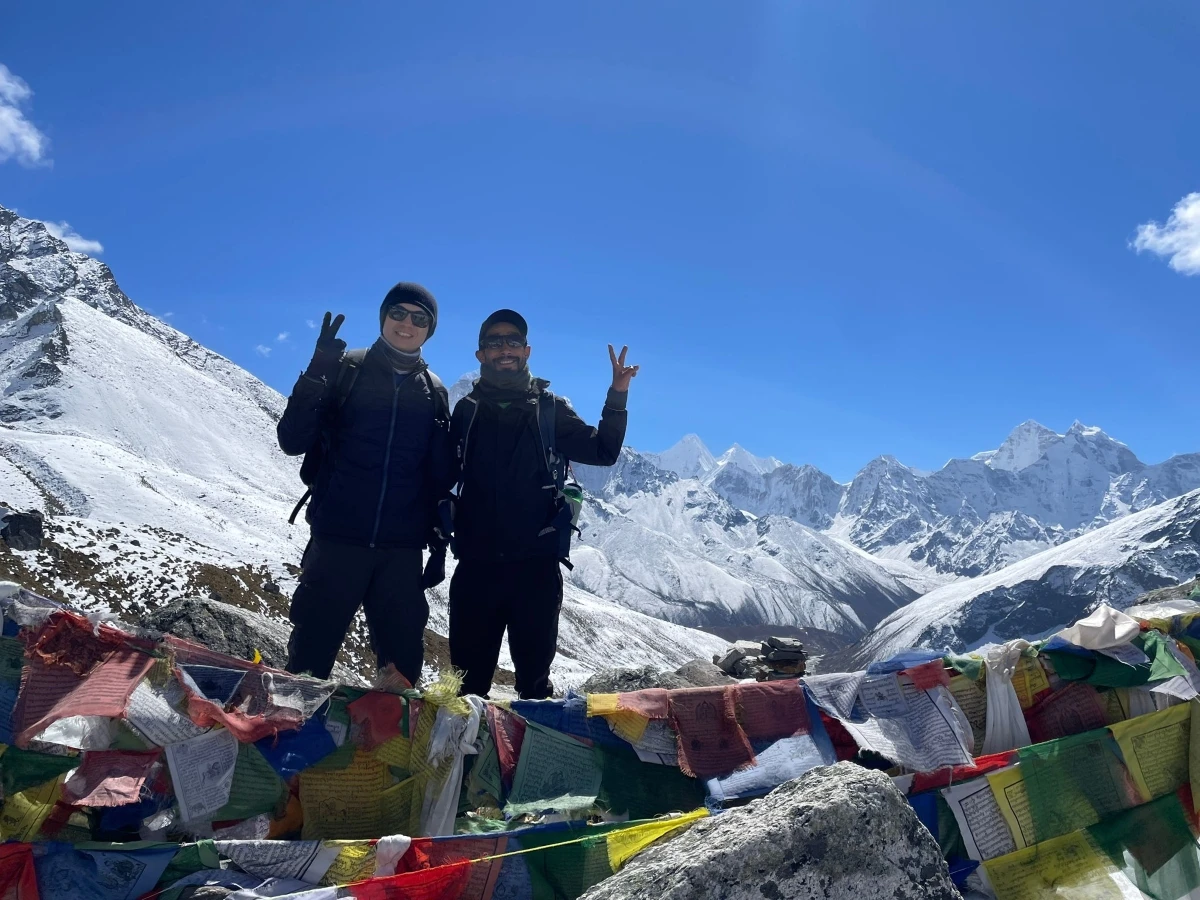
The journey begins with a scenic flight from Kathmandu to Lukla, one of the most unique mountain airstrips in the world. From here, the trail follows the Dudh Koshi River, passing through villages such as Phakding and Namche Bazaar. Suspension bridges, prayer flags, and stone pathways mark the route as you gradually gain elevation.
Namche Bazaar serves as the main hub of the region, where trekkers acclimatize and prepare for higher altitudes. As the trek continues, the path leads through Tengboche, home to one of the most important monasteries in the Khumbu region. The surroundings shift from forested trails to alpine terrain, with fewer trees and more exposed landscapes. Further along, the route passes through Dingboche and Lobuche, where the effects of altitude become more noticeable and the scenery becomes more dramatic. Glacial moraines, rocky paths, and high mountain views define this section of the trek.
Reaching Everest Base Camp and Kala Patthar
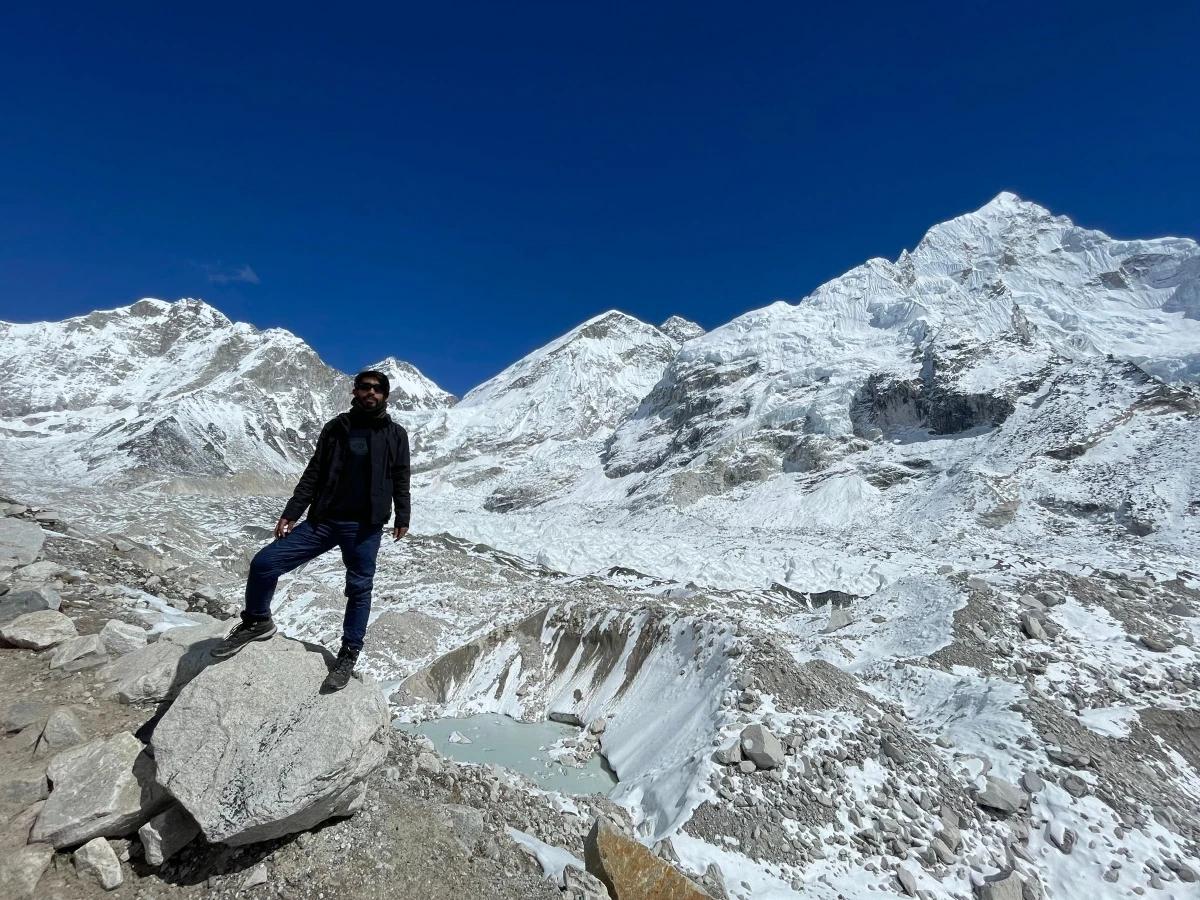
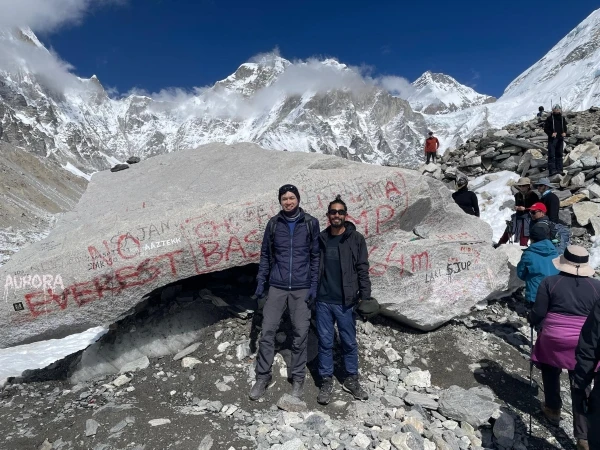
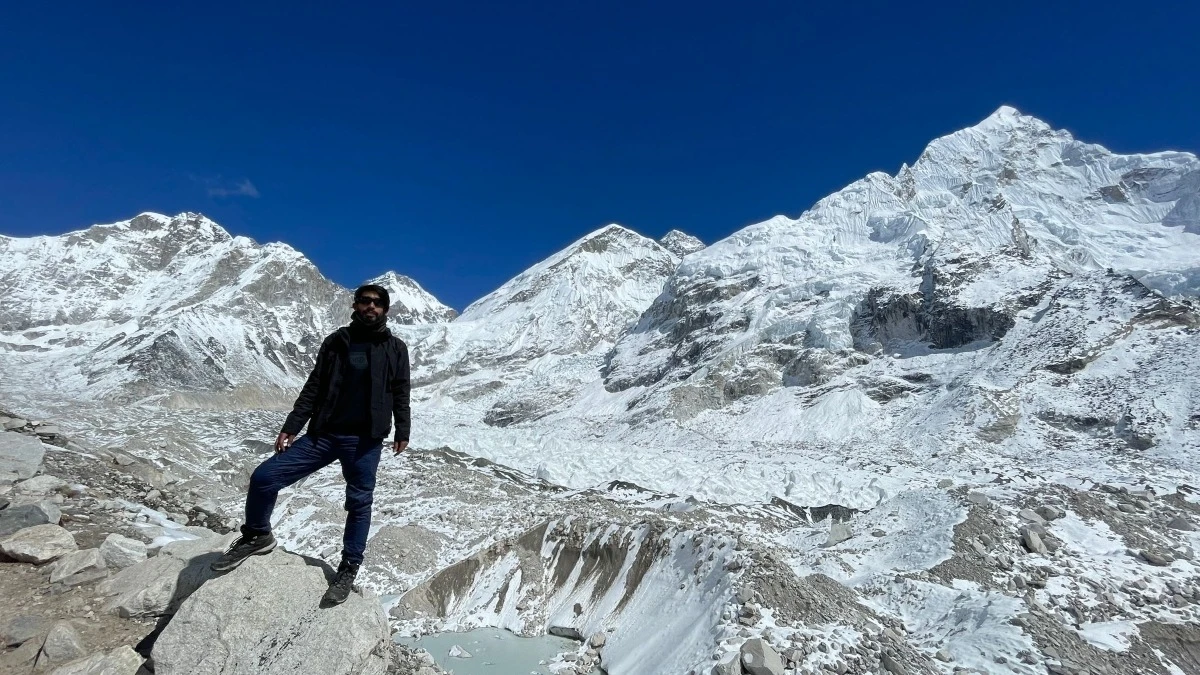
The highlight of the journey is reaching Everest Base Camp (5,364 meters), located at the foot of Mount Everest. The final approach follows the edge of the Khumbu Glacier, leading to a landscape shaped by ice and rock. Standing at base camp brings a strong sense of achievement, surrounded by towering peaks and the vast Khumbu Icefall.
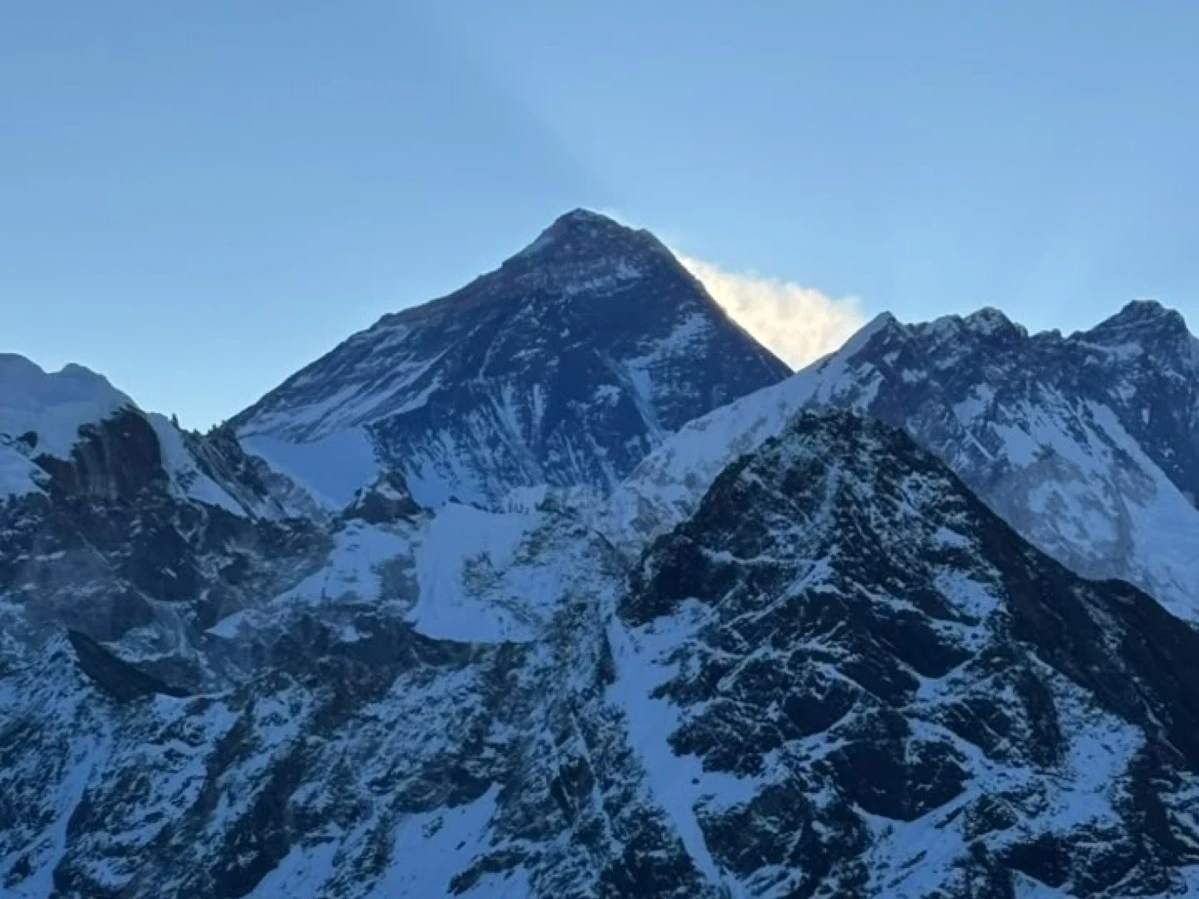
Another key moment of the trek is the early morning hike to Kala Patthar (5,545 meters). From this viewpoint, you get one of the clearest and closest views of Everest, along with neighboring peaks such as Nuptse and Lhotse. The sunrise from Kala Patthar is often considered one of the most memorable experiences of the entire journey.
Culture, Landscape, and Experience
Throughout the trek, you experience the unique culture of the Sherpa people. From traditional stone houses to monasteries and prayer wheels, every part of the trail reflects a deep spiritual connection to the mountains. The hospitality of the local communities adds warmth to the journey, even in the cold and high-altitude environment. The landscape changes constantly - from green forests and river valleys to open alpine terrain and glacial surroundings. This gradual transition keeps the journey engaging, with each day offering something different in terms of scenery and experience.
Completion and Return
After reaching the highest points of the trek, the journey continues back through familiar trails toward Namche Bazaar and Lukla. The descent feels more relaxed as the altitude decreases and oxygen levels improve. Returning to Lukla marks the completion of the trekking portion of the journey. A short flight brings you back to Kathmandu, where you can rest and reflect on the experience. The combination of physical effort, natural beauty, and cultural exposure leaves a lasting impression long after the trek is complete.
Conclusion
The Everest Base Camp Trek is a complete Himalayan experience that combines adventure, culture, and natural beauty in a well-paced journey. It is suitable for those seeking a meaningful trekking experience rather than just a physical challenge. With proper acclimatization, experienced guidance, and organized support, this 14-day trek offers a safe and rewarding way to explore one of the most famous mountain regions in the world. This journey remains one of the most respected and fulfilling treks for those looking to experience the Himalayas up close.
Highlights
- Journey to Everest Base Camp (5,364 meters) at the foot of the world’s highest peak, Mount Everest.
- Scenic mountain flight between Kathmandu and Lukla, one of the most dramatic air routes in the Himalayas.
- Panoramic views of major Himalayan peaks including Everest, Lhotse, Nuptse, Ama Dablam, and Thamserku.
- Sunrise experience from Kala Patthar (5,545 meters) with clear, close views of Everest and surrounding peaks.
- Walk through Sagarmatha National Park, a UNESCO World Heritage Site rich in flora and fauna.
- Experience the culture and lifestyle of the Sherpa community, deeply rooted in Tibetan Buddhism.
- Visit important landmarks such as Tengboche Monastery, one of the largest monasteries in the Khumbu region.
- Trek through diverse landscapes including pine forests, glacial rivers, alpine valleys, and rugged high-altitude terrain.
- Cross iconic suspension bridges decorated with prayer flags over the Dudh Koshi River
- Explore Namche Bazaar, the vibrant trading hub of the Khumbu region.
- Witness high-altitude environments shaped by glaciers, including the Khumbu Glacier and Icefall.
- Gradual acclimatization with well-planned rest days to ensure a safe and comfortable trekking experience.
- Stay in traditional teahouses, offering a close look at local hospitality and mountain life.
- Opportunity to encounter Himalayan wildlife such as yaks, Himalayan tahr, and colorful pheasants.
- A well-supported trek with experienced guides and porters ensuring safety throughout the journey.