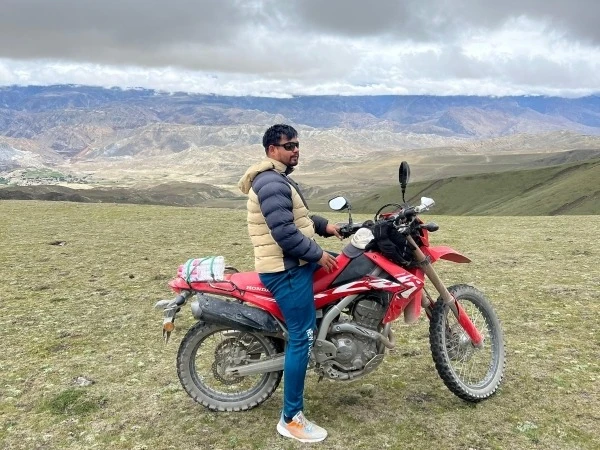
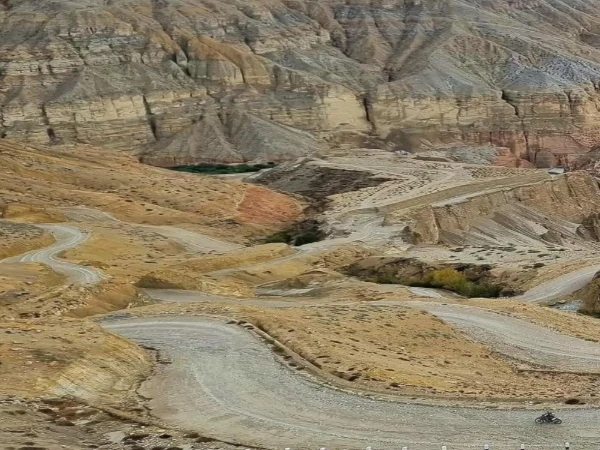
Discover the best and worst seasons to ride in the Himalayas and plan your ultimate motorcycle adventure. Learn which times offer clear skies, stable weather, and safe roads for routes like Upper Mustang and off-the-beaten-path Himalayan trails, and which seasons pose challenges due to rain, snow, or high-altitude conditions.
Best Time to Ride in the Himalayas: A Complete Rider’s Guide
.webp)
Choosing the best time to ride in the Himalayas is all about understanding seasons, weather patterns, road conditions and altitudes rather than specific dates. The Himalayan region—especially Nepal—experiences vast seasonal changes that directly affect travel by motorcycle.
This guide explains when and why to ride the Himalayas, helping you choose the perfect time for a safe, scenic and unforgettable motorcycle adventure.
Good Seasons to Ride in the Himalayas
1. Spring Season (Pre-Monsoon)
Spring marks the reopening of Himalayan routes after winter. Snow begins to melt, temperatures become moderate, and the mountains start to come alive.
Spring is especially advantageous for riders as it brings stable weather conditions, making long-distance Himalayan rides safer and more predictable. During this season, roads that were closed in winter slowly open again, making it possible to reach high mountain areas and remote places. Riders can enjoy pleasant riding temperatures, with cool mornings and comfortable daytime rides with scenic views. This definitely helps reduce fatigue making the ride more comfortable and memorable. Additionally, spring offers clear views of the Himalayan peaks, as the skies are generally bright and visibility is excellent which creates a perfect balance of comfort, access and scenic beauty for motorcycle touring.
Things to Expect in spring
- Cool mornings at higher elevations
- Dry and slightly dusty roads
- Fewer crowds compared to peak autumn
Overall, this season is ideal for Upper Mustang motorcycle tours, long-distance Himalayan rides and riders seeking a true adventure-focused experience in the mountains.
2. Autumn Season (Post-Monsoon)
Autumn is widely considered the best season to ride in the Himalayas. After the monsoon rains clear the dust and pollution and the skies become crystal clear.
Autumn is considered the best season for riding in the Himalayas because it offers dry roads and minimal rainfall. This makes riding conditions safer and more predictable. This season is known for excellent mountain visibility, with clear skies providing breathtaking views of the Himalayan peaks. Riders also enjoy comfortable temperatures at all altitudes, avoiding the extremes of summer heat and winter cold. With safer riding conditions, fully accessible routes, and stable weather, autumn is especially ideal for first-time Himalayan riders as well as those seeking a smooth and rewarding motorcycle adventure.
Overall, this season is perfect for all Himalayan motorcycle routes such as Upper Mustang and other adventure Himalayan tracks which offers ideal conditions for both scenic exploration and adventurous riding.
3. Monsoon Season (June–August) Challenging Season
Monsoon season is generally considered the most challenging time to ride in the Himalayas. Heavy rainfall during this period can make roads slippery and muddy. This increases the risk of accidents and landslides. Visibility may also be reduced due to fog and rain, making navigation more difficult. Riding during the monsoon requires extra caution because unstable road conditions and unexpected weather changes are very common. While some regions like Upper Mustang receives less rainfall due to being in a rain-shadow area, access roads can still be affected and long-distance rides are often unpredictable.
Overall, monsoon season is not recommended for most riders.
4. Winter Season (December–February) Limited Riding Season
Winter in the Himalayas presents significant challenges for motorcycle riders due tosnow, ice, and extremely cold temperatures at high altitudes. Many high mountain passes are closed and riding conditions can be dangerous. lower-altitude routes near Kathmandu or Pokhara are still be accessible for riders. During winter season, longer Himalayan rides are often impossible. Despite these challenges, winter offers quiet roads, minimal tourist crowds, and clear skies on sunny days, making it appealing for riders seeking solitude or short scenic trips.
Overall, winter is limited in scope and best suited for riders prepared for cold weather and restricted access, rather than long or high-altitude Himalayan adventures.
Quick Comparison
On comparison, It is seen that spring offers stable weather, cool temperatures and open roads. This makes spring a very good season for riding in the Himalayas.
Autumn stands out as the best season overall, with dry roads, clear skies, and the best mountain visibility.
The monsoon season brings wet and muddy roads along with frequent landslides, making it not recommended for most riders.
Winter presents cold temperatures, snow-covered routes, and road closures. so it is mostly avoided except for limited low-altitude rides.
Conclusion
The Himalayas are powerful and unpredictable. Riding at the right time ensures not only better road conditions but also a richer, safer and more memorable journey.
Whether you’re planning a motorcycle tour in Nepal, an Upper Mustang ride or a trans-Himalayan adventure, understanding good and bad riding seasons is the key to success.
Himalayan eco ride Motorcycle travel Nepal Trans-Himalayan motorcycle routes Adventure motorcycle Nepal Winter riding Himalayas Monsoon riding Nepal Autumn riding Himalayas Spring riding Himalayas Himalayan riding seasons Motorcycle touring Nepal Himalayan motorcycle tour Best time to ride in the Himalayas
Need Help? Call Us+977 970-5123293OrChat with us on WhatsApp
.webp)