Driving in Nepal can be very different for tourists. Learn the essential traffic rules, road conditions and safety tips you need to know before getting on the road.
Traffic Rules in Nepal Every Tourist Should Know
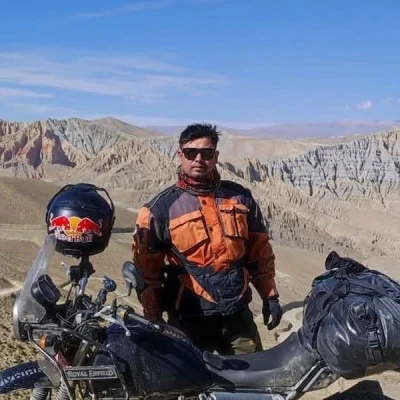
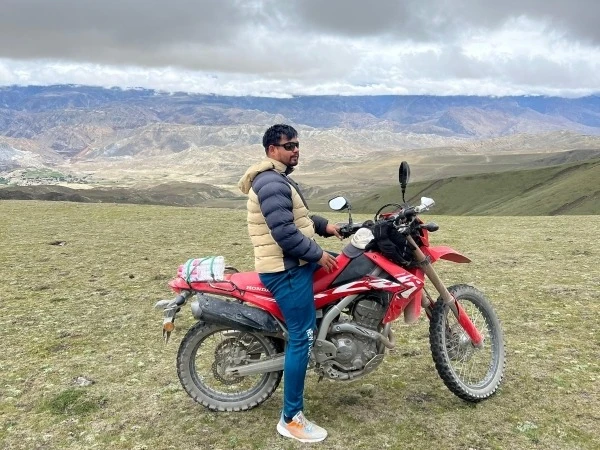
Understanding traffic rules in Nepal is very important for tourists who plan to drive or ride motorcycles during their visit. Nepal follows a left-hand driving system, which may be unfamiliar for many foreigners. This means vehicles drive on the left side of the road and overtaking usually happens from the right. One of the most important rules is to always carry your valid driving license and an International Driving Permit (IDP) while driving. Traffic police frequently check documents, especially on highways and at checkpoints. Wearing a helmet is mandatory for both the rider and passenger on motorcycles and seat belts must be worn in cars. Speed limits are not always clearly marked, but drivers are expected to maintain safe speeds depending on road conditions.
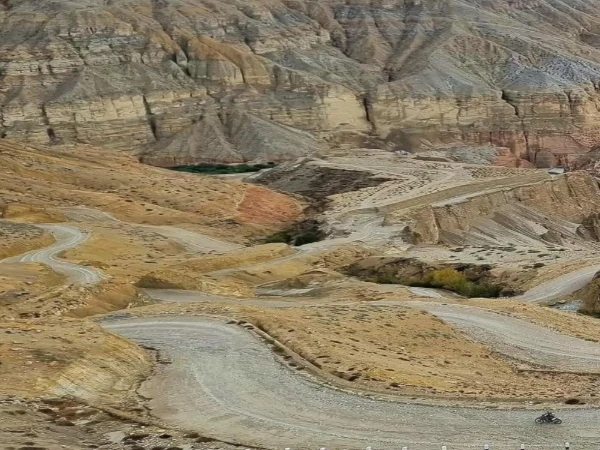
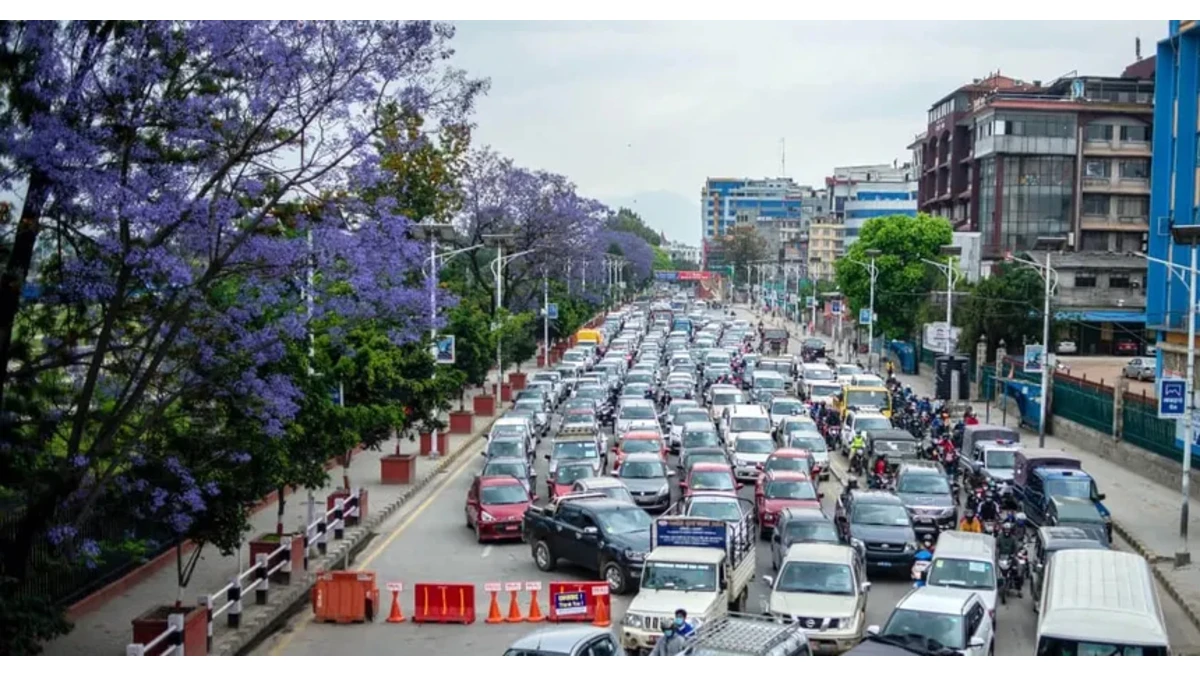
Road conditions in Nepal can vary greatly, so following traffic rules is also about safety. In cities, traffic can be busy and sometimes unorganized, with vehicles, pedestrians and animals sharing the road. In rural and mountainous areas, roads can be narrow, steep and sometimes unpaved. Drivers should use the horn when approaching blind corners, which is a common practice in Nepal. Drinking and driving is strictly prohibited and can result in heavy fines or legal action. Traffic lights are used in major cities, but in many areas, traffic police control the flow manually. Tourists should also be aware that insurance may not cover accidents if traffic rules are not followed. By understanding and respecting these rules, visitors can have a safer and smoother driving experience in Nepal.
Need Help? Call Us+977 970-5123293OrChat with us on WhatsApp
.webp)