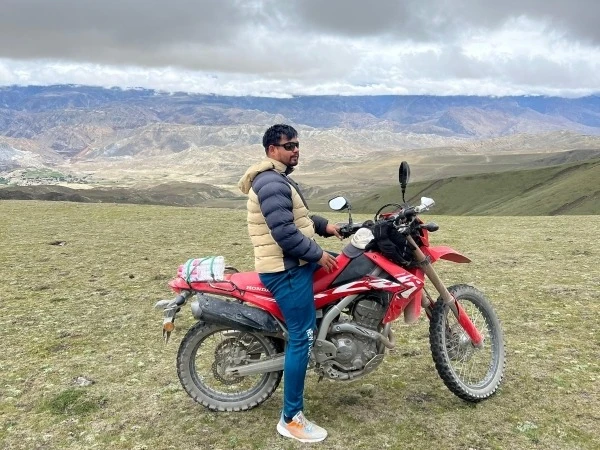
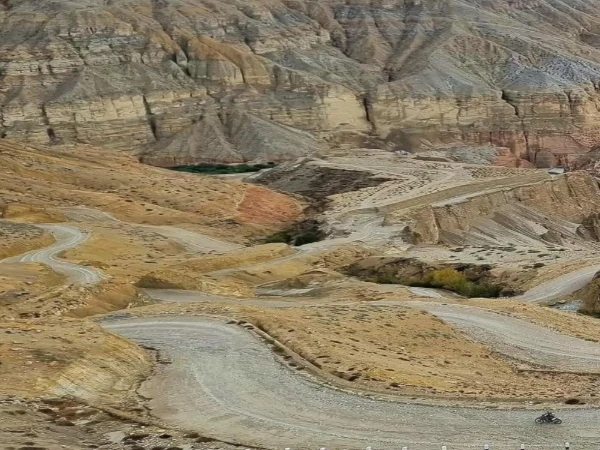
Altitude sickness is a common risk for motorbike riders traveling above 2,500 meters in Nepal. Understanding the symptoms, prevention methods and safety measures is essential for a safe and successful high-altitude ride.
Altitude Sickness and Motorbike Riding: What Riders Must Know
.webp)
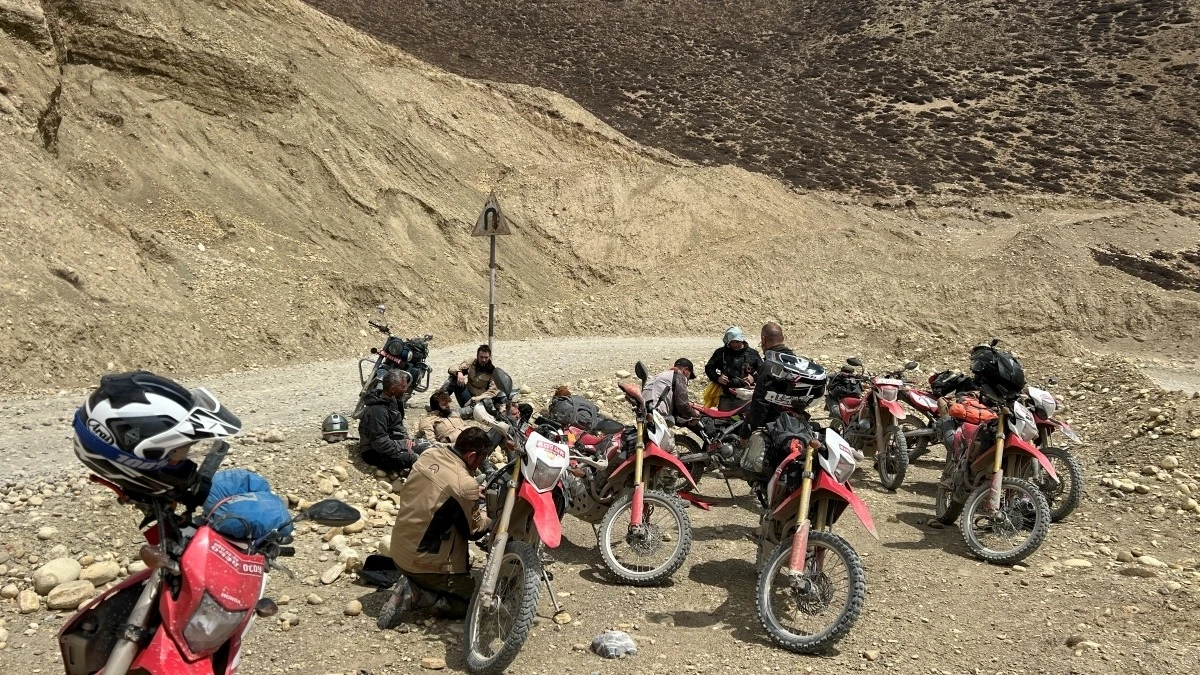
Altitude sickness can affect motorbike riders when traveling above 2,500 meters, especially in high areas of Nepal like Mustang, Manang and other Himalayan routes. It happens when the body does not get enough oxygen at higher elevations. Common symptoms include headache, dizziness, nausea, tiredness, shortness of breath and difficulty sleeping. Riders are at higher risk because they often gain altitude quickly without giving the body enough time to adjust. Long riding hours, cold weather, dehydration and physical fatigue can make the condition worse. Ignoring early symptoms can lead to serious health problems. If ignored, it can become severe and life-threatening. Riders are at higher risk because they gain altitude quickly without proper acclimatization, especially when riding from low areas like Pokhara or Kathmandu directly to high mountain passes within a day. Cold temperatures, dehydration, alcohol and overexertion can make symptoms worse. Wearing heavy riding gear and focusing on technical roads can also hide early warning signs, so riders must pay close attention to how they feel during the ride.
To prevent altitude sickness, riders should ascend slowly and plan overnight stops to allow proper acclimatization. It is recommended not to increase sleeping altitude by more than 300–500 meters per day once above 3,000 meters. Drinking enough water, eating light but regular meals and avoiding alcohol and smoking are important. If symptoms appear, the best treatment is to stop ascending and rest. If symptoms do not improve or become severe, immediate descent to a lower altitude is necessary. Carrying basic medicines like acetazolamide (Diamox) can help prevent or reduce symptoms, but it should not replace proper acclimatization. Travel insurance that covers high-altitude evacuation is strongly advised because some remote areas have limited medical facilities. Riders should also inform their group or guide about any symptoms immediately. Proper planning, awareness and respecting altitude limits are essential for a safe and successful high-altitude motorbike journey in Nepal.
Planning to ride to Nepal’s high mountain roads? Don’t let altitude sickness ruin your adventure. Prepare properly, ride responsibly, and make safety your first priority. For safe and well-planned high-altitude motorbike tours, ride with Himalayan Eco Ride and experience the mountains with confidence. For bookings or inquiries, email: [email protected] or call: +977 970-5123293.
Need Help? Call Us+977 970-5123293OrChat with us on WhatsApp
.webp)